Cold Room Sliding Door Manufacturer In Kireka
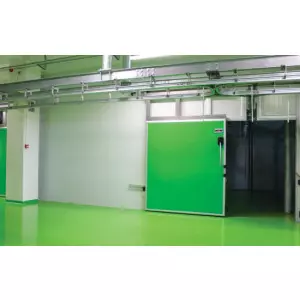
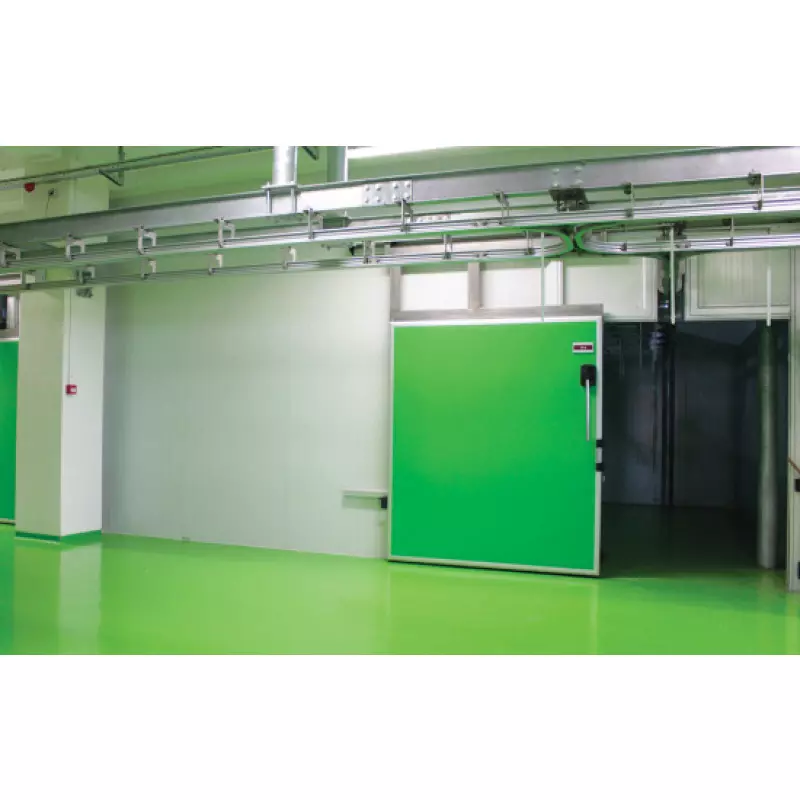
Details of Cold Room Sliding Door
From detailed design planning to final assembly, we make Cold Room Sliding Doors for clients in Kireka with close quality checks. The process starts by studying the space and how often doors will open and close daily. We focus on sealing tightness because a loose door wastes energy and harms temperature control.
Doors must handle daily wear without warping or jamming. That means picking durable materials that suit local weather, especially considering Kireka’s humid conditions. A sliding mechanism also needs smooth operation but strong enough to resist dust build-up or rust from moisture exposure; these are common problems here.
We pay special attention to the insulation layer inside door panels. It has to stop heat gain effectively. If it fails, cold rooms struggle to keep set temperatures, affecting stored goods’ life span directly — this applies particularly when door use is frequent (which is typical). Our panel thickness choices aren’t random; they respond to real load conditions plus the expected opening frequency.
Door frames get reinforced joints for long-term alignment so seals don’t loosen over time. Installation includes checking pull-down times after fitting since a poorly sealed or misaligned door can slow cooling considerably during operation spikes. And yes, we factor maintenance access from day one so servicing won’t disrupt plant workflow much—something often overlooked in other setups around here.
The sliding track system uses corrosion-resistant metals; Kireka’s dust mixed with occasional rains demands this balance between smooth glide and toughness without breakdowns mid-cycle. One tricky bit: managing door movement speed manually versus installing automated controls depends on client budget plus usage pattern analysis—we never push automation blindly where it won't add value.
Cold Room Sliding Doors installed by us tend not only last longer but save power by reducing compressor run hours caused by air leaks through faulty doors (this is a big cost leak sometimes missed). Customers have seen marked difference in holding stability post-installation compared with older setups featuring standard hinged doors that take longer to close tightly each time.
Book Consultation
If you want us to study your cold room requirements or need replacement sliding doors designed for tough conditions like those in Kireka, contact us soon. We check site details, suggest material specs based on use cycles and climate factors, then fit doors that perform quietly but strongly under heavy duty loads.
Offered Product
Cold Room Sliding Door
Doors Are Often The Weak Link In Cold Storage Performance. We Manufacture And Supply Cold Room Sliding Door Systems In Uganda That Are Built To Handle Repeated Daily Use Without Compromising Insulation Or Temperature Control. Every Door Is Designed To Stay Tight, Easy To Operate, And Durable Over Long-term Use.Our Cold Room Sliding Doors Are Used In Cold Rooms, Freezers, Processing Areas, And Storage Facilities Where Frequent Access Is Required. Panels Are Insulated With High-density PUF To Pr... Read moreCold Room Sliding Door Exporter In Kisoro
Boost Your Cold Storage Reliability With Cold Room Sliding Doors, Exported From A Trusted Source Serving Kisoro. These Doors Fit Tightly And Move Smoothly, Helping Keep Temperatures Steady And Reducing Energy Loss.Temperature Control Is Tricky Without The Right Door System. Sliding Doors Cut Down On Air Leaks Compared To Swinging Doors Because They Stay Sealed Better When Closed And Don’t Hang Open Accidentally In Busy Workspaces.Key Advantages Of Our Door SystemsTight Sealing: Keeps Cold Air Continue
Cold Room Sliding Door Manufacturer In Bugembe
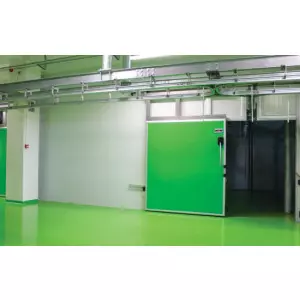
At Our Bugembe Plant, We Produce Cold Room Sliding Doors Built For Steady Use And Tight Sealing. These Doors Play A Key Role In Keeping Cold Environments Stable, Which Is Crucial Where Goods Need Reliable Temperature Control.Keeping The Cold Locked In Means Less Energy Loss And Better Storage Conditions. The Door’s Mechanics Handle Frequent Openings Without Dropping The Inside Temperature Too Much, Which Is Often A Challenge In Daily Operations.How Our Sliding Doors WorkSealing: Tight Seals Cu Continue
Cold Room Sliding Door Exporter In Bweyogerere
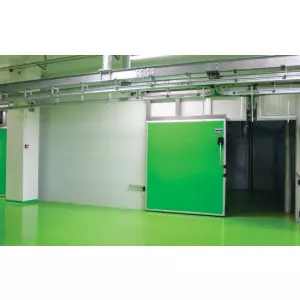
The Rising Use Of Cold Room Sliding Doors In Bweyogerere Drives Us To Offer Export Services You Can Count On Every Time. Businesses Dealing With Storage And Processing Need Doors That Hold The Cold Well And Work Without Fail. Sliding Doors Play A Key Part, Since Frequent Opening Risks Losing Temperature Stability.Cold Room Sliding Doors Must Seal Tightly But Also Slide Smooth For Daily Use. We Look At Door Frame Design And Sealing Materials Closely, Choosing Options That Resist Wear Under High T Continue